When it comes to protecting yourself against cavities and gum disease, you may believe that the responsibility rests on your dentist. However, the power to keep your smile healthy and bright is in your hands. Simple habits and lifestyle changes can improve your oral health and help you keep your healthy smile for a lifetime.
In this article, we share the top 10 lifestyle habits you should practice to protect yourself from tooth decay and gum disease, as well as answer our patients’ common questions about preventive dentistry.
Habit #1: Brush at Least Twice Daily
We recommend brushing in the morning and again at night. Many patients, such as those with active gum disease or orthodontic appliances like braces, benefit from adding a third brushing session after the midday meal. Brush for 2 minutes total, dividing your mouth into quarters and spending 30 seconds on each section.
Brushing your teeth is your first line of defense against plaque bacteria that builds up on the teeth and gums. Consider purchasing an electric toothbrush to make the process more efficient.
Habit #2: Floss Daily
At least once a day, floss your teeth. Flossing is one of the top ways to protect yourself from cavities and gum disease The adage that says “only floss the teeth you want to keep” holds true. Even if you brush well and notice no signs of gum disease, make flossing part of your everyday routine.
Habit #3: Use Approved Fluoride Products
Fluoride is a safe, natural mineral that hardens tooth enamel. Patients of all ages should use fluoride toothpaste approved by the American Dental Association. You may also be interested in receiving professional fluoride treatments from your dentist.
Habit #4: Eat a Healthy, Varied Diet
Ensure that you are getting enough calcium and vitamin D in your diet to keep your teeth and bones strong. Choose foods that naturally clean teeth, like crunchy fruits and vegetables. Eating whole foods to meet your nutritional requirements is generally better than taking supplements, but a multivitamin can be an important backup.
Habit #5: Limit Sugary and Acidic Foods
Certain sugary and acidic foods damage teeth more than others. Hard and chewy candies that stay on your teeth for an extended time could be the most dangerous for your oral health. You should also take care to limit acidic foods like sour candies and sodas. Water with lemon or lime juice can be another cavity culprit.
Many acidic foods like citrus fruits have vitamins and nutrients that are key to a healthy body; do not avoid these foods for the sake of your teeth. If you do indulge in a sweet or acidic treat, brush your teeth half an hour after consumption to prevent tooth enamel damage.
Habit #6: Use Care With Starchy Foods
One food group that patients sometimes overlook while planning their diet is starch. Bread, potatoes, and salty snacks are made of complex carbohydrates that break down into sugars. Brush well after eating these foods.
Habit #7: Use a Fresh Toothbrush
Change your toothbrush every 3 months or sooner if the bristles splay out or show signs of wear. An old toothbrush has significantly less cleaning power than a new one.
Habit #8: Avoid Tobacco Use
Tobacco is uniquely damaging to your teeth and gums. Not only does tobacco use stain your teeth yellow, but it also restricts blood flow to your gums, making tooth decay and gum disease significantly more likely.
Habit #9: Call Your Dentist About Concerning Symptoms
If you notice an issue with your smile, don’t wait until your next scheduled cleaning. If you notice bleeding when you brush or floss, gum pain, toothaches, or other warning signs, call us right away.
Habit #10: Keep All Scheduled Dental Appointments
Most patients should come in to see us for a cleaning and exam twice yearly. Some patients, especially those with active gum disease or who are at a higher risk of dental decay, may need to see us three or four times a year. Don’t put off or cancel your scheduled dental appointments without promptly rescheduling. Problems can develop silently and show no outward symptoms until the decay or damage is severe.
Take Good Care of Your Smile
We hope that this guide inspires you to care for your teeth. The more effort you put in, the more brilliant your smile can become. A well-cared-for smile will bring you self-confidence and protect your oral and overall health for years to come.
Frequently Asked Questions About Preventive Dentistry
Why is gum disease dangerous?
Gingivitis, the first stage of gum disease, starts with gums that bleed when brushed or flossed. Untreated, this issue can lead to gum pain, severe infection, and even tooth loss in the future because gum disease attacks the structures supporting your teeth.
How common is gum disease?
Researchers estimate that over half of all American adults have some level of gum disease. This epidemic can cause severe oral and overall health consequences like Type 2 diabetes, cardiovascular issues, and preterm birth.
What causes tooth decay?
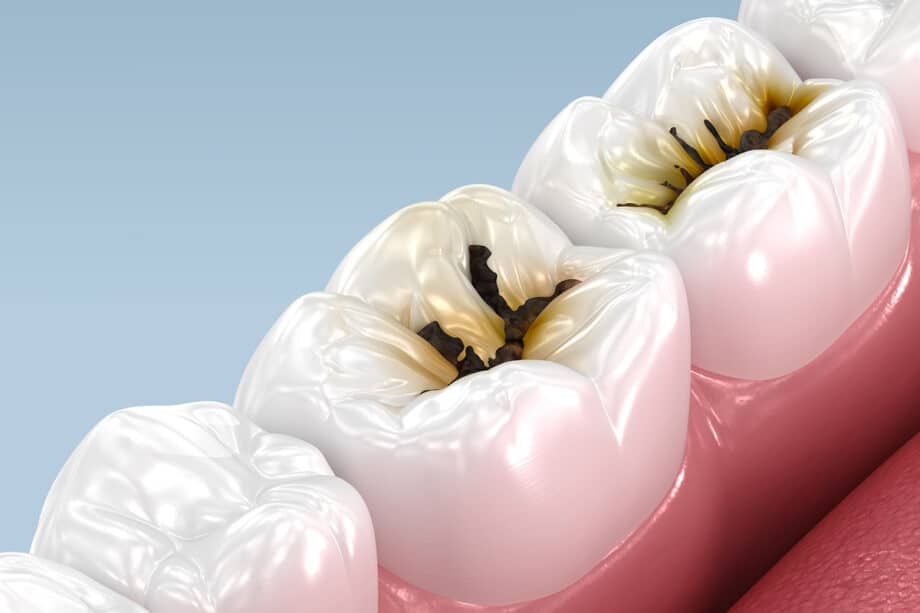
Tooth decay happens when bacteria on the teeth excrete acidic waste products that weaken the enamel. As the acid eats away at your teeth, decay develops.
Can I reverse gum disease?
Gingivitis, the first stage of gum disease, is fully reversible with proper care, but if the problem has developed further, the condition can only be controlled. This is why prompt professional care is needed if you notice any early symptoms.
Why is an electric toothbrush better?
Electric toothbrushes remove plaque more efficiently. However, the best toothbrush is the one you use properly. Even if you have an electric toothbrush, don’t skimp on the 2-minute guideline.
At Emerson Dental Collective, we strongly believe in the power of preventive dentistry. Simple actions and lifestyle changes can add up to a brighter, healthier smile. To learn more about preventive dentistry and how you can take control of your oral health, contact us today for an exam and consultation.